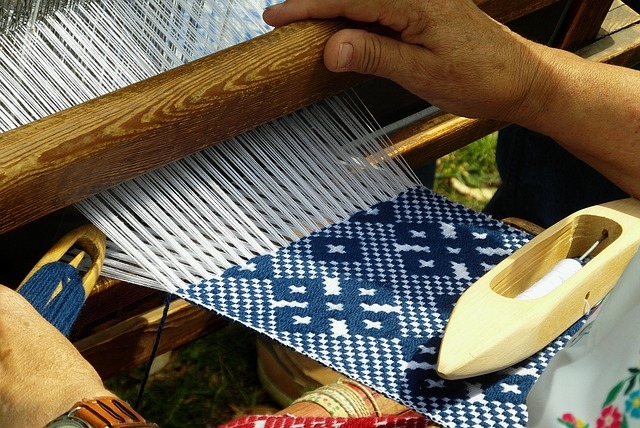
native american design floor covering

native american design floor covering

History of Southwest design influences

Native American patterns have a rich history and cultural significance that dates back for centuries. These intricate designs, often seen in floor coverings such as rugs and mats, are not just decorative elements but also serve as a way to express the beliefs, stories, and traditions of various tribes.

The use of traditional Native American patterns in floor coverings is a reflection of the deep connection that indigenous peoples have with the natural world. Many designs are inspired by elements found in nature such as animals, plants, and landscapes. For example, geometric patterns may represent the four directions or symbols of strength and protection.

These patterns are more than just visually appealing; they hold great significance within Native American communities. They are used to pass down stories and teachings from one generation to the next, preserving cultural heritage and identity. In this way, floor coverings adorned with traditional patterns serve as a form of communication and storytelling.

Additionally, these designs have become iconic representations of Native American artistry and craftsmanship. They showcase the skill and creativity of indigenous artisans who use traditional methods passed down through generations to create stunning pieces of functional art.

In conclusion, traditional Native American patterns in floor coverings play an important role in preserving cultural heritage, telling stories, and showcasing artistic talent. By incorporating these designs into our homes or public spaces, we can celebrate the beauty and significance of indigenous cultures while honoring their legacy for future generations to appreciate.

Southwest Area Rugs and Furniture

Native American design floor coverings are traditionally made using a variety of materials that hold cultural and symbolic significance to the tribes creating them. These materials are carefully selected and crafted with great attention to detail, resulting in beautiful and meaningful pieces that enhance any living space.

One common material used in Native American design floor coverings is wool, which is often sourced from sheep raised by the tribe. Wool is known for its durability and ability to hold vibrant colors, making it an excellent choice for intricate designs. Additionally, many tribes believe that wool carries spiritual qualities that add depth and meaning to their creations.

Another popular material used in creating Native American design floor coverings is natural fibers such as cotton or jute. These materials are often woven together in intricate patterns to create visually stunning rugs or tapestries. The use of natural fibers connects the finished product back to the earth, emphasizing the importance of sustainability and respect for the environment.

In addition to wool and natural fibers, some tribes incorporate leather, feathers, or beads into their floor coverings. These materials are often hand-stitched or beaded onto the fabric, adding texture and dimension to the overall design. Leather symbolizes strength and protection, while feathers represent freedom and spirituality. Beads are meticulously placed to create intricate patterns that tell stories or convey specific meanings.

Overall, the materials used in creating Native American design floor coverings play a crucial role in preserving cultural traditions and honoring ancestral practices. Each material holds its own significance and contributes to the overall beauty and symbolism of these unique pieces of art. By incorporating these traditional materials into modern designs, Native American artisans continue to share their heritage with others while creating timeless works of art that can be enjoyed for generations to come.

Characteristics of Southwest furniture pieces

Crafting Native American design floor coverings involves a combination of traditional techniques that have been passed down through generations, as well as innovative methods that reflect the creativity and skill of modern artisans.

One of the key techniques used in creating these unique pieces is weaving. Many Native American tribes have a long history of weaving textiles, using materials such as wool, cotton, and natural fibers to create intricate patterns and designs. The Navajo people, for example, are famous for their beautiful hand-woven rugs that feature bold geometric patterns and vibrant colors.

In addition to weaving, other techniques such as dyeing and embroidery are also commonly employed in the creation of Native American design floor coverings. Natural dyes made from plants, minerals, and insects are often used to achieve rich earth tones and vivid shades that reflect the beauty of the natural world. Embroidery adds another layer of detail to these pieces, with skilled artisans incorporating intricate stitching patterns that enhance the overall aesthetic appeal.

Overall, crafting Native American design floor coverings is a labor-intensive process that requires patience, precision, and a deep understanding of traditional art forms. By combining age-old techniques with contemporary innovations, artisans are able to produce stunning works of art that honor their cultural heritage while also appealing to modern sensibilities. Each piece tells a story and carries with it the spirit of its creators, making it not just a functional object but a true work of art.

How to incorporate Southwest rugs and furniture into your home decor

Contemporary adaptations of traditional Native American floor coverings are a beautiful and innovative way to pay homage to the rich cultural history of indigenous tribes. These modern interpretations blend traditional techniques and designs with contemporary materials and styles, creating stunning pieces that are both functional and visually striking.

Native American floor coverings have long been revered for their intricate patterns, vibrant colors, and symbolic meanings. From Navajo rugs to Cherokee baskets, these items have served both practical and ceremonial purposes within tribal communities. Today, designers and artists are taking inspiration from these historical artifacts to create unique floor coverings that reflect the beauty and heritage of Native American culture.

By incorporating traditional motifs such as geometric patterns, animal symbols, and earthy tones into their designs, contemporary artists are able to capture the essence of Native American artistry while adding a modern twist. Utilizing materials like wool, cotton, and synthetic fibers allows for increased durability and versatility in these floor coverings, making them suitable for a variety of spaces and lifestyles.

Furthermore, by supporting artisans who create these contemporary adaptations, we can help preserve traditional weaving techniques and support indigenous communities in their efforts to maintain cultural practices. By investing in these handcrafted pieces, we not only bring a touch of Native American heritage into our homes but also contribute to the preservation of an important artistic tradition.

In conclusion, contemporary adaptations of traditional Native American floor coverings offer a unique opportunity to celebrate the artistry and craftsmanship of indigenous peoples while adding a touch of cultural richness to our living spaces. Whether used as decorative accents or functional rugs, these pieces serve as reminders of the enduring legacy of Native American design.

Maintenance tips for Southwest area rugs and furniture

Native American design floor coverings have become increasingly popular in recent years, as people are drawn to the rich cultural history and intricate patterns that these rugs and carpets offer. From traditional Navajo designs to modern interpretations of indigenous art, Native American floor coverings can add a unique and stylish touch to any home.

One of the most popular styles in Native American design floor coverings is the Navajo rug. These handwoven rugs feature bold geometric patterns and vibrant colors that are instantly recognizable. The intricate detailing of these rugs has made them highly sought after by collectors and interior designers alike.

Another trend in Native American design floor coverings is the use of natural materials such as wool, cotton, and jute. These materials not only add an authentic touch to the rugs but also make them durable and long-lasting. Many artisans incorporate traditional weaving techniques into their designs, creating pieces that are both beautiful and functional.

In addition to traditional styles, there has been a surge in modern interpretations of Native American design floor coverings. Artists are experimenting with new colors, shapes, and textures to create contemporary pieces that pay homage to indigenous art while still being fresh and innovative.

Whether you prefer classic Navajo rugs or more modern interpretations of Native American design, there is a wide range of options available for adding these stunning floor coverings to your home. With their timeless beauty and cultural significance, Native American design floor coverings are sure to make a statement in any room they adorn.

Southwest Area Rugs and Furniture

Frequently Asked Questions

Authentic Southwest Native American design floor coverings can be found at specialty stores that specialize in Native American art and craft, online retailers that work directly with Indigenous artists, or at local markets and festivals showcasing Indigenous artisans work.